
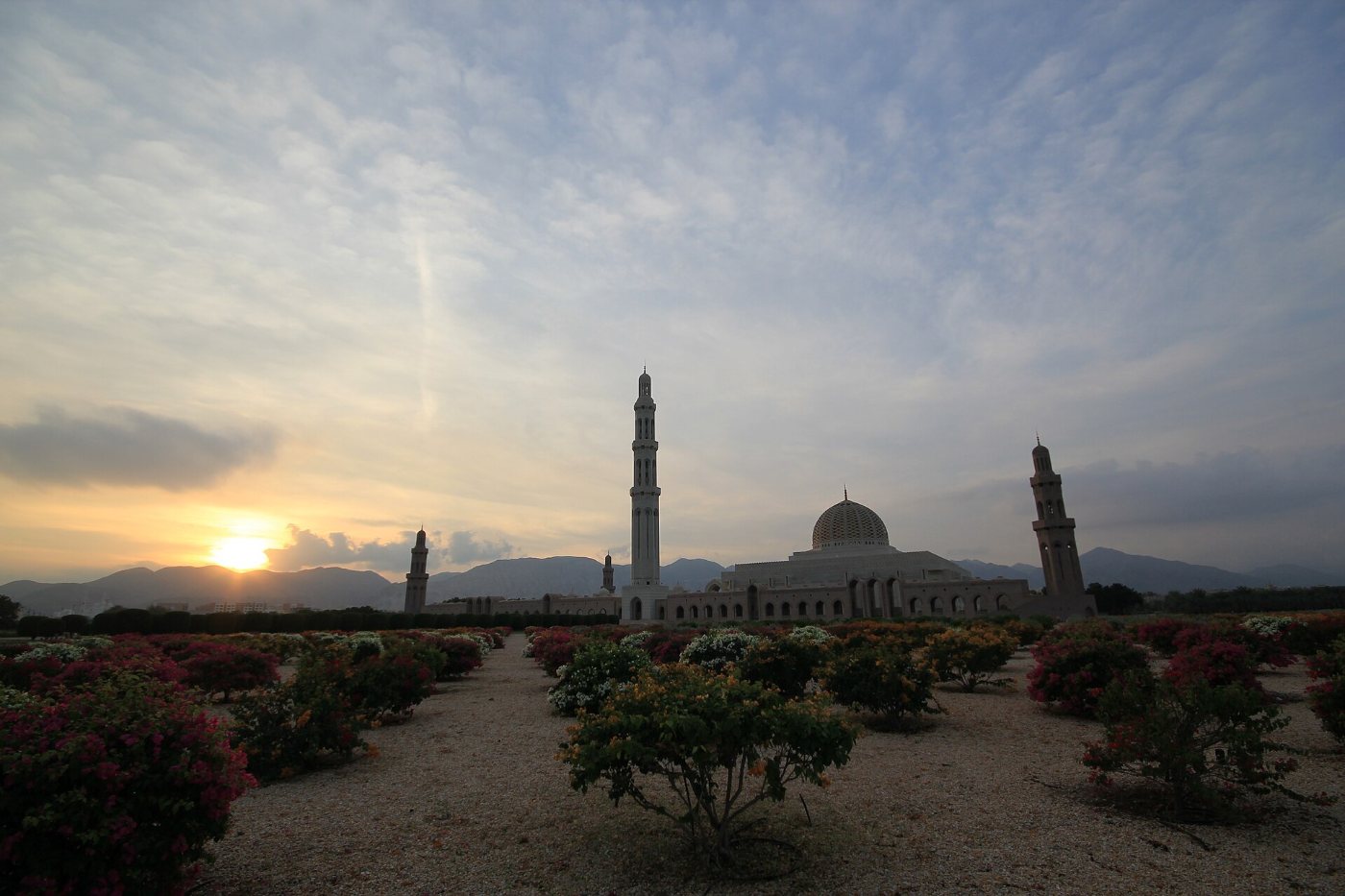
Ramadan is the holy month of fasting in Islam and one of the most meaningful times of the year in Oman. Days become quieter, evenings become lively and community spirit is strong. For residents – and anyone planning a move or property transaction – understanding the rhythm of the month helps everything run smoothly.
When is Ramadan?
Ramadan follows the Islamic lunar calendar, so it moves about 10 to 11 days earlier each year. In 2027 it is expected to begin in early February, with exact dates confirmed by moon sighting. It ends with Eid al-Fitr, a public holiday period.
The daily rhythm
- Pre-dawn – many families eat suhoor before the fast begins.
- Daytime – fasting from dawn to sunset; streets and offices are calmer.
- Sunset – the fast is broken with iftar, often starting with dates and water.
- Evening – mosques are busy with prayers; malls, restaurants and souqs stay open late.
Etiquette for everyone
- Avoid eating, drinking or smoking in public during daylight hours, even if you are not fasting.
- Dress modestly, especially in public places.
- Keep noise down near mosques and residential areas during prayer times.
- Drive patiently, particularly in the hour before sunset when traffic peaks.
- Accept invitations to iftar warmly – they are a generous gesture.
Working hours and services
Official working hours are usually reduced during Ramadan, and many businesses adjust their schedules. Government services, banks and developers may operate shorter hours, which can extend processing times.
Planning property matters during Ramadan
- Viewings – mid-morning or after iftar often works best; confirm times in advance.
- Transactions – allow extra time for registrations, bank approvals and signatures.
- Moving home – book movers early, avoid the pre-iftar rush and be considerate with building noise.
- Before Eid – offices may close for several days; complete urgent paperwork beforehand.
- Lease renewals – if your lease ends around Ramadan or Eid, start discussions earlier than usual.
Neighbourhood life
Many residents enjoy Ramadan evenings in their neighbourhood: late-night shopping, shared meals and charitable initiatives. Living close to a mosque means lively evenings; some tenants appreciate this, others prefer quieter streets – consider it when choosing a home.
Learn more about local customs in Omani Customs and Etiquette, plan your move with our family relocation guide, or contact Muscat Gates to schedule viewings around the holy month.
Frequently asked questions
Can non-Muslims eat in public during Ramadan in Oman?
Eating, drinking and smoking in public during daylight should be avoided by everyone out of respect.
Are offices open during Ramadan?
Yes, but usually with shorter hours. Expect slower processing times.
Is Ramadan a good time to look for property?
It can be, with patient scheduling. Allow extra time for approvals and plan around Eid holidays.
General information; dates and working hours are announced by the authorities each year.
Cover photo: Riyadh Al Balushi (CC BY 2.0), Wikimedia Commons