
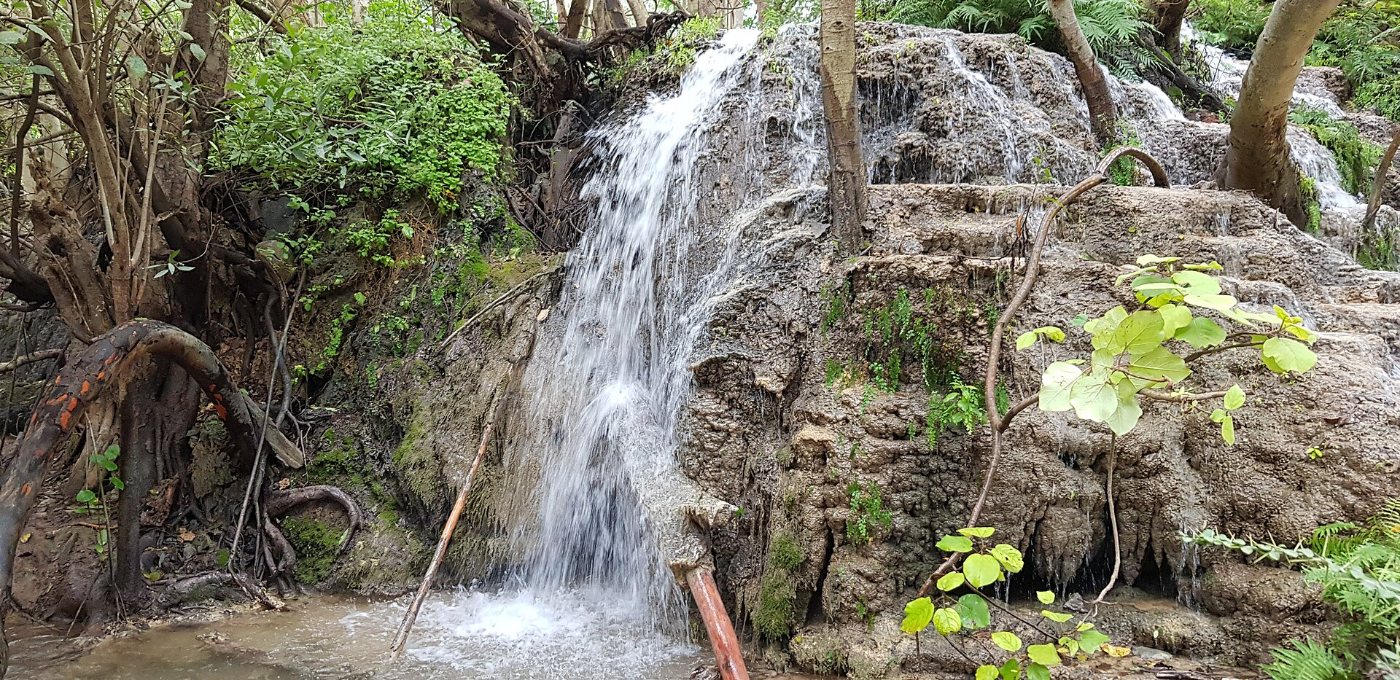
Salalah, the capital of the Dhofar Governorate in southern Oman, is known for its khareef – the monsoon season that turns the surrounding mountains green while much of the region swelters. That seasonality, together with beaches, frankincense heritage and resort developments, shapes a property market quite different from Muscat’s.
What makes Salalah different
- The khareef season – roughly from late June to early September, cooler, misty weather attracts large numbers of visitors from Oman and the wider Gulf.
- Tourism-driven demand – holiday apartments and villas can see strong seasonal interest and quieter months outside it.
- Resort communities – integrated developments such as Hawana Salalah combine hotels, marinas and residential units.
- Distance – Salalah is roughly a 90-minute flight or a long drive from Muscat, so remote management matters for Muscat-based owners.
Who buys in Salalah
- Gulf families seeking a summer retreat during the khareef.
- Omani residents and local families buying primary homes.
- International buyers considering qualifying units in approved resort communities.
- Investors targeting seasonal holiday letting.
Key questions before buying
- Eligibility – is the exact unit available to your nationality? Read Can Foreigners Buy Property in Oman?
- Seasonal income – model occupancy month by month rather than a yearly average. Our holiday homes guide covers licensing and costs.
- Management – who will handle guests, cleaning and maintenance while you are away?
- Service charges – resort facilities can raise running costs; see our service charges guide.
- Climate wear – humidity and salt air during the khareef affect finishes, metalwork and AC systems.
- Resale depth – a smaller buyer pool may mean longer selling times.
Salalah versus Muscat
- Muscat – deeper year-round rental demand from residents and professionals, more property choice and liquidity.
- Salalah – distinctive lifestyle and seasonal tourism, with more variable income and a more specialised buyer market.
For many investors, the right choice depends on objective: personal use during the khareef, diversified holiday income or steady long-term rent. Our allocation thesis for international investors and rental yield guide can help frame the decision.
Due diligence checklist
- Project approvals and unit eligibility in writing – see property documents explained
- Payment schedule and handover terms for off-plan units – see off-plan payment plans
- Community rules on letting
- Realistic seasonal income and cost model
- Management arrangement confirmed
Interested in Salalah or comparing it with Muscat? Contact Muscat Gates to discuss your objective.
Frequently asked questions
What is the khareef in Salalah?
The monsoon season, roughly late June to early September, bringing cooler, misty weather and many visitors.
Can foreigners buy property in Salalah?
Qualifying units in approved developments may be available to non-Omani buyers. Verify the specific unit first.
Is Salalah a good holiday-home investment?
It can suit seasonal use and letting, but income is concentrated in part of the year. Model costs and management carefully.
General information only; not legal or financial advice.
Cover photo: Syed99975 (CC BY-SA 4.0), Wikimedia Commons