
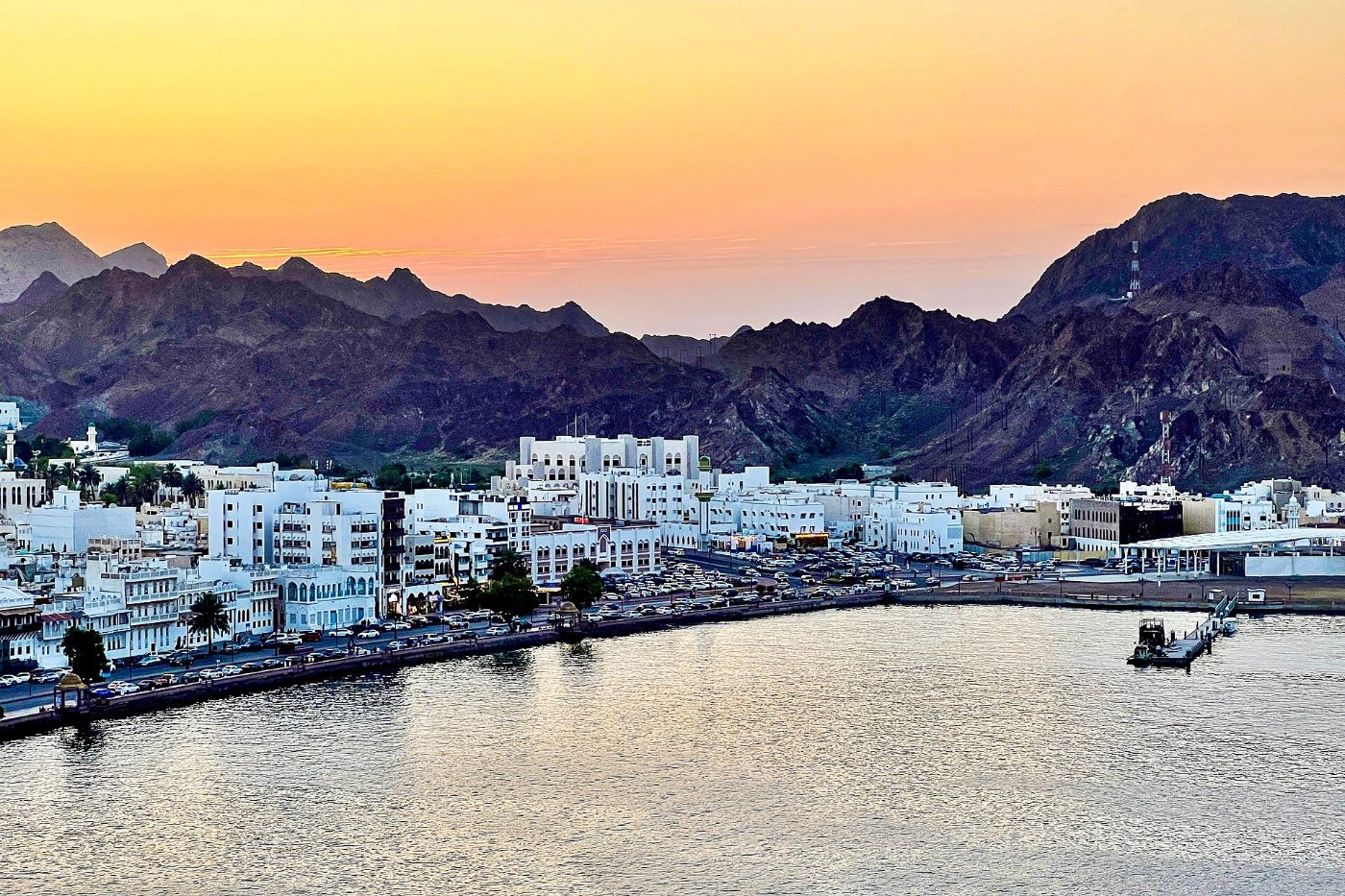
For Iranian buyers considering a home in Muscat, three questions matter most: can you buy, will ownership support residency, and how do you pay legally and safely? This guide answers those questions, along with travel, documents and the buying process. For a general market overview, see Can Foreigners Buy Property in Oman?
At a glance
- Where you can buy: non-Omanis can own freehold property in Integrated Tourism Complexes (ITCs) and some government projects, such as freehold districts of Sultan Haitham City.
- Residency: 2026 rules introduced property buyer and owner visas without a sponsor, and a 10-year Golden Residency exists for investments from RO 200,000.
- Travel: according to Oman’s Ministry of Foreign Affairs, Iranian citizens are visa-exempt for stays of up to 14 days, subject to conditions.
- The key issue: payment. Banks and developers check the source of funds, and sanctions pressure on Iran-linked transactions increased in August 2026. Confirm your payment route in writing before any reservation.
Can Iranians buy property in Oman?
Freehold ownership for non-Omanis is permitted in designated areas: ITCs such as Al Mouj Muscat, Muscat Hills, AIDA and The Sustainable City Yiti, plus certain government projects open to all nationalities. Our ITC guide lists the main complexes.
We have not found a nationality-specific restriction for Iranians in the published ITC rules. In practice, however, each developer and bank runs its own know-your-customer checks and may apply additional requirements. Before paying anything, get written confirmation from the developer that your nationality and payment method are accepted for the exact unit.
What can you buy at each budget?
| Approximate budget | Example options | Suits |
|---|---|---|
| Under RO 100,000 | Opal Residence, Muscat Hills (from about RO 72,000), The Sustainable City Yiti (from about RO 89,000) | First purchase, rental |
| RO 100,000–200,000 | Bellevue, Al Mouj (from about RO 130,000), Yenaier Residences (from about RO 146,000) | Family home, long-term letting |
| Over RO 200,000 | AIDA, Jinan Island, Al Mouj (price on request) | Luxury villas, Golden Residency route |
Prices are “from” figures based on the latest published information, and availability changes quickly. Browse all Muscat projects.
Residency: three main routes
- Property Buyer Visa: under Royal Oman Police Decision 87/2026, for buyers whose registration is not yet complete; valid 6–12 months, renewable, with stays of up to three months per visit.
- Property Owner Visa and Residency: for registered owners; can include family members and ends if the property is transferred.
- 10-year Golden Residency: launched 31 August 2025 for qualifying investments of at least RO 200,000, including completed property with a title deed.
Conditions can change and the final decision rests with the Royal Oman Police. Read Oman property residency rules 2026 and check your route with an official source or lawyer before buying for residency. For off-plan purchases, the handover date directly affects timing; see off-plan payment plans.
Travelling to Oman for viewings
Oman’s Ministry of Foreign Affairs lists Iran among countries exempt from visas for stays of up to 14 days, provided visitors hold a passport valid for at least six months, a return ticket, a confirmed hotel booking, health insurance and sufficient funds. The stay cannot be extended or converted to residence. Longer stays require a visa through the Royal Oman Police eVisa system.
Flights to and from Iran were disrupted several times in 2026, so check flight status before planning. If travel is not possible, Muscat Gates can arrange live video viewings of units and neighbourhoods.
The most important topic: payment and source of funds
Omani developers receive buyer payments through Omani banks — usually into a project escrow account for off-plan developments — and banks must verify the source of funds. On 24 August 2026 the US Treasury launched “Operation Economic Outcast” to cut financial channels linked to the Iranian government, increasing pressure on banks and exchange houses across the region. In practice, Iranian buyers should expect stricter checks, requests for more documents and, in some cases, rejected payments.
- Pay only into the developer’s official or escrow account named in the contract — never in cash or to a third party.
- Be ready to document the legal source of funds: bank statements, property sale deeds, income certificates.
- Iranians living and working in another country, with funds held in a bank there, usually have a smoother route.
- Before paying a deposit, ask the developer in writing whether your nationality and payment method are accepted, and what happens to the deposit if a bank rejects the payment.
- Take legal or banking advice on sanctions rules in your country of residence.
Muscat Gates does not provide currency exchange or money transfer services and works only with documented, lawful banking routes.
Documents you will need
- Passport valid for at least six months, and photographs.
- Source-of-funds documents, with certified translations where required.
- If you cannot attend: a power of attorney. One issued in Iran usually needs legalisation by Iran’s Ministry of Foreign Affairs and the Omani embassy in Tehran, then a certified Arabic translation in Oman. See buying from abroad with a power of attorney.
- If you live elsewhere: your residence permit for that country.
The buying process in seven steps
- Set your goal (home, rental or residency) and total budget.
- Shortlist two or three projects and obtain written confirmation of eligibility for your nationality.
- View the unit and neighbourhood in person or by video.
- Sign a reservation form and pay a deposit with clear refund terms.
- Have a lawyer review the sale and purchase agreement.
- Pay instalments to escrow in line with construction milestones.
- Take handover, register the title with the Ministry of Housing & Urban Planning and apply for residency.
Our guide to property documents in Oman explains the paperwork.
Common mistakes
- Paying through an exchange house or a third party’s account.
- Relying on verbal promises of “guaranteed residency”.
- Buying land or property outside permitted areas and assuming freehold title.
- Leaving service charges and registration costs out of the budget.
- Not calculating the real rental return — see our rental yield guide.
How Muscat Gates helps
Our Persian-speaking advisers in Muscat help you choose projects, request written eligibility confirmation from developers, arrange in-person or video viewings, coordinate with a lawyer and follow up until handover. Send us your goal and budget on WhatsApp and we will prepare a shortlist.
Frequently asked questions
Can Iranians buy freehold property in Oman?
Yes, in permitted areas such as Integrated Tourism Complexes. Each buyer is subject to developer and bank checks, so get written confirmation.
Does buying property in Oman give residency?
2026 rules introduced buyer and owner visas, and a 10-year Golden Residency exists for investments from RO 200,000. Check the conditions with official sources before buying.
How can I transfer money to Oman?
Only through lawful, documented bank transfers to the developer’s official account. Because of sanctions, Iran-linked payments may be rejected; check the payment route with the developer and a legal adviser before reserving.
Can I buy without travelling to Oman?
Yes, using a legalised power of attorney and video viewings. Title registration and residency involve in-person steps.
Information checked 16 September 2026. Sources: Oman Ministry of Foreign Affairs (entry visas), Oman Observer reporting on ROP Decision 87/2026 and the Golden Residency, US Treasury and Al Jazeera (24 August 2026). General information only; not legal, financial or immigration advice.
Cover photo: Abubakr Saeed from Sudan (CC BY 2.0), via Wikimedia Commons